Category: Uncategorized

  • The Week I Thought the Salsa Was Broken (Spoiler: It Was Just Me)


    There was a stretch of time when I was absolutely convinced something was wrong with our salsa.

    Not just any salsa, though.
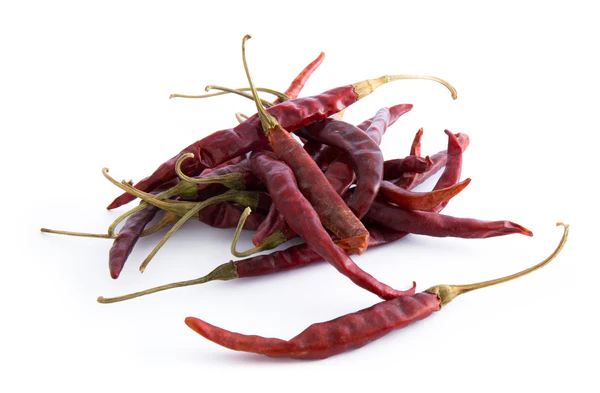
    Cambray salsa from Santiago, Nuevo León, México. The real-deal kind. The kind you respect. Two or three drops per taco. Four if you’re feeling brave and adventurous. (For the curious, I’ve linked the salsa that sparked this whole realization here.)

    Here’s the context: chile cambray (often lumped in with chile de árbol) usually lands somewhere around 30,000–65,000 Scoville Heat Units, sometimes higher depending on the batch. This is not “U.S. grocery store extra hot.” This is don’t get cute salsa. Even seasoned capsaicin lovers know to love it from a distance.

    So when it suddenly tasted like… bland tomato sauce?

    No burn. No warning. Nothing.

    I genuinely thought the batch was off.

    The very dumb experiment I did anyway

    To be sure, I tested it. I let it touch the sides of my mouth. Near my lips.

    And that is when the plot thickened.

    Because here’s the part I need to correct (coffee had not yet entered the chat):
    My tongue was fine. My throat was fine. The inside of my mouth? Totally unbothered.

    But my lips? Swollen and on fire.
    The corners of my mouth? Burning for hours.

    Nose: running a 5K marathon

    And my stomach immediately went on Amazon, bought a megaphone, and started screaming for help at full volume. …Full-on burning for days.

    That’s when it became very clear:
    Nothing was wrong with the salsa.
    Something was very off with my heat perception. And I almost tripped, putting on my shoes and running to the comments. Ok, so, looking for peer-reviewed studies for possible correlations, but you get the idea!

    Capsaicin receptors don’t all behave the same

    Capsaicin binds to TRPV1 receptors, which are scattered throughout the body—but not evenly, and not identically regulated.

    The lips and corners of the mouth are packed with sensory nerve endings and are especially sensitive to changes in:

    • Estrogen
    • Cortisol
    • Nervous system reactivity

    So while my mouth and tongue barely registered heat, the more externally sensitive areas absolutely did. And my GI tract? Oh, it received the message loud and clear.
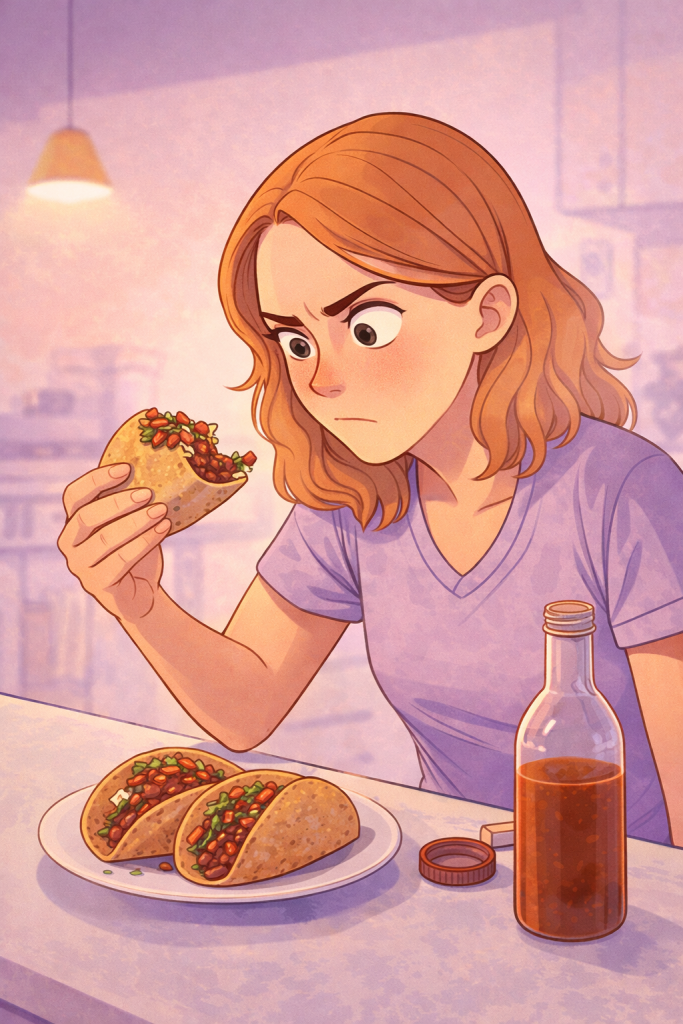
    This uneven response is actually a huge clue.

    Estrogen, sensation, and selective muting

    Estrogen plays a role in how sensory input is processed and modulated. During perimenopause, or with changes in HRT, those signals can get… scrambled.

    That can show up as:

    • Blunted sensation in some areas (tongue, throat)
    • Heightened or prolonged sensitivity in others (lips, skin, gut)
    • Delayed “feedback” that arrives after you’ve already made regrettable decisions

    Which explains how I managed to feel nothing… until I felt everything.

    Cortisol adds gasoline

    Now layer cortisol on top. Elevated or dysregulated cortisol can:

    • Reduce accurate threat detection in the moment
    • Increase inflammatory responses afterward
    • Make reactions feel delayed, exaggerated, or weirdly localized

    Capsaicin itself triggers a cortisol and adrenaline response. If your baseline stress load is already high, your body’s ability to interpret heat correctly can misfire.

    Hence:

    • Calm mouth
    • Angry lips
    • Sprinting nose
    • Furious stomach with a megaphone

    Why this wasn’t a one-off and here’s what happened the next time!

    This didn’t happen just once. The second time it happened, since I had used the same salsa, and somehow once again had zero reaction, I decided to pack on the fresh-from-the-garden Serranos to see if that would help elevate the spice levels.

    Again, I could’ve easily won a YouTube challenge. But the usual suspects had a LOT to say: the nose, lips, and stomach stormed off the set.

    Here’s when I discovered it comes in waves and has lasted months at this point. Some days I can handle spice as per usual. Other days—or entire weeks—it’s as if my receptors are on airplane mode.

    That makes sense when you remember:

    • Hormones fluctuate, not decline uniformly
    • Cortisol follows rhythms but also reacts to sleep, stress, under-fueling, and inflammation
    • Sensory tolerance is context-dependent

    So spice tolerance becomes information, not a fixed trait.
    At this point, I’m basically conducting a rolling field study—low sample size, zero funding, excellent qualitative data. And while I still love spice, I’ve learned that paying attention beats pushing through. My taste buds may be inconsistent, but they’re surprisingly honest.

    References & Further Reading

    1. The capsaicin receptor: A heat‑activated ion channel in the pain pathway
      Caterina, M. J., Schumacher, M. A., Tominaga, M., Rosen, T. A., Levine, J. D., & Julius, D. (1997). Nature, 389(6653), 816–824.
    2. Integrating TRPV1 receptor function with capsaicin psychophysics
      Smutzer, G., & Devassy, R. K. (2016). The Scientific World Journal, 2016, Article ID 1512457.
    3. Localization of TRP channels in healthy oral mucosa
      Moayedi, Y., et al. (2022). eNeuro, 9(6).
    4. Estradiol inhibits TRPV1 activation by capsaicin
      Chaban, V. V., Mayer, E. A., Ennes, H. S., & Micevych, P. E. (2008). Journal of Neuroscience Research.
    5. 17β-Estradiol activates estrogen receptor β-signalling and inhibits TRPV1 activation by capsaicin in sensory neurons
      Xu, S., Chaban, V. V., Mayer, E. A., Ennes, H. S., & Micevych, P. E. (2008). Journal of Neuroscience Research.
  • FDA Removes Black Box Warnings on Menopause HRT: Why It Matters Now

    This fall, a major shift happened in menopause care: the U.S. Food and Drug Administration (FDA) announced it is removing the long-standing black box warnings from hormone replacement therapy (HRT) products used to manage menopause symptoms. For millions of women navigating this transition, this change marks a moment of clarity after decades of confusion and fear. (See story here)

    What Changed?

    For more than 20 years, many estrogen and estrogen–progestogen menopause treatments carried the FDA’s strongest safety label, the black box warning, alerting users to serious risks like heart disease, breast cancer, and dementia. These warnings stemmed largely from early findings in the Women’s Health Initiative (WHI) published in the early 2000s, which were later understood to have limitations, especially in how they were interpreted and generalized to all menopausal women. (Harvard Women’s Health Watch)

    Why This Matters

    This update may feel subtle — a label change rather than a new drug — but it’s meaningful for several reasons:

    • Fear has influenced care choices. Many women avoided HRT because “black box” sounded synonymous with high danger, even when individualized risk might have been low. PBS
    • Timing matters. Current evidence suggests the health effects of hormone therapy differ depending on when it’s started. Initiating HRT within about 10 years of menopause onset or before age 60 appears to offer more benefits and fewer risks for many people. U.S. Food and Drug Administration
    • Benefit–risk balance is personal. Hormone therapy still isn’t right for everyone, and the FDA isn’t removing all warnings. For example, systemic estrogen-alone products still have a warning related to endometrial cancer in women with a uterus U.S. Food and Drug Administration

    What This Doesn’t Mean

    Some media have framed this as “HRT is now safe for everyone.” That’s not the case — HRT still carries potential risks. What’s new is that the label language will be updated to better inform conversations between women and their healthcare providers, focusing on the most current evidence rather than outdated fears. Harvard Health

    Putting It in Perspective

    Decades of menopause care have been shaped by early studies that didn’t always reflect the real-world diversity of women experiencing menopause. As science evolves, so too should how treatments are described and offered. These label changes are a step toward more nuanced, personalized care — where symptoms, age, timing, health history, and individual priorities are front and center in decision-making. STAT

    Takeaway for Women in Midlife

    If you’ve ever wondered whether HRT could be right for you — whether for hot flashes, sleep disturbance, mood shifts, bone health, or other symptoms — this policy shift is encouraging because it can open clearer, less stigmatized conversations with clinicians. It’s not a blanket endorsement or dismissal. It’s a more accurate starting point for shared choices. U.S. Food and Drug 

    Take Control of Your Own Care

    Talk to your clinician about your symptoms, your health history, and your goals. Updated labeling means more room for context and less fear, but informed decisions always begin with a conversation. Real care happens in the nuance — not a warning box.

    Nutrition’s Role During Menopause

    Nutrition plays a quiet but powerful role during menopause, especially for women considering or using hormone therapy. Anti-inflammatory foods, healthy fats, and adequate protein support cardiovascular health, muscle preservation, and overall metabolic stability. All of these factors matter during midlife and beyond.


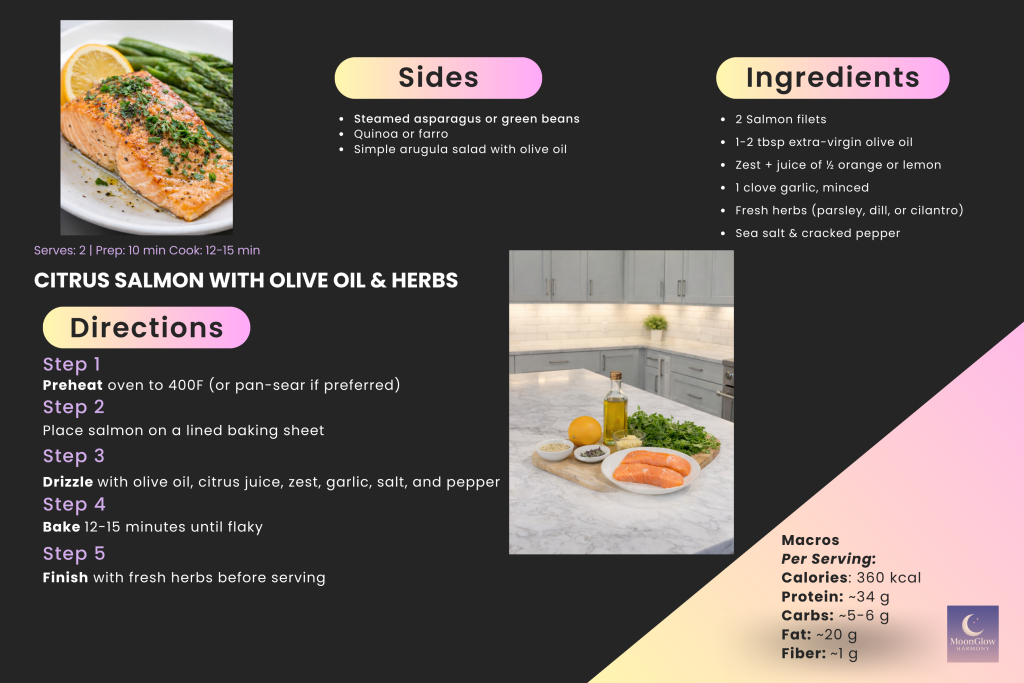
    MoonGlow Recipe: Anti-Inflammatory Citrus Salmon with Olive Oil & Herbs


    🍋 Citrus Salmon with Olive Oil & Herbs

    Serves: 2
    Prep time: 10 minutes
    Cook time: 12–15 minutes

    Ingredients

    • 2 salmon fillets
    • 1–2 tbsp extra-virgin olive oil
    • Zest + juice of ½ orange or lemon
    • 1 clove garlic, minced
    • Fresh herbs (parsley, dill, or cilantro)
    • Sea salt & cracked pepper

    Optional sides

    • Steamed asparagus or green beans
    • Quinoa or farro
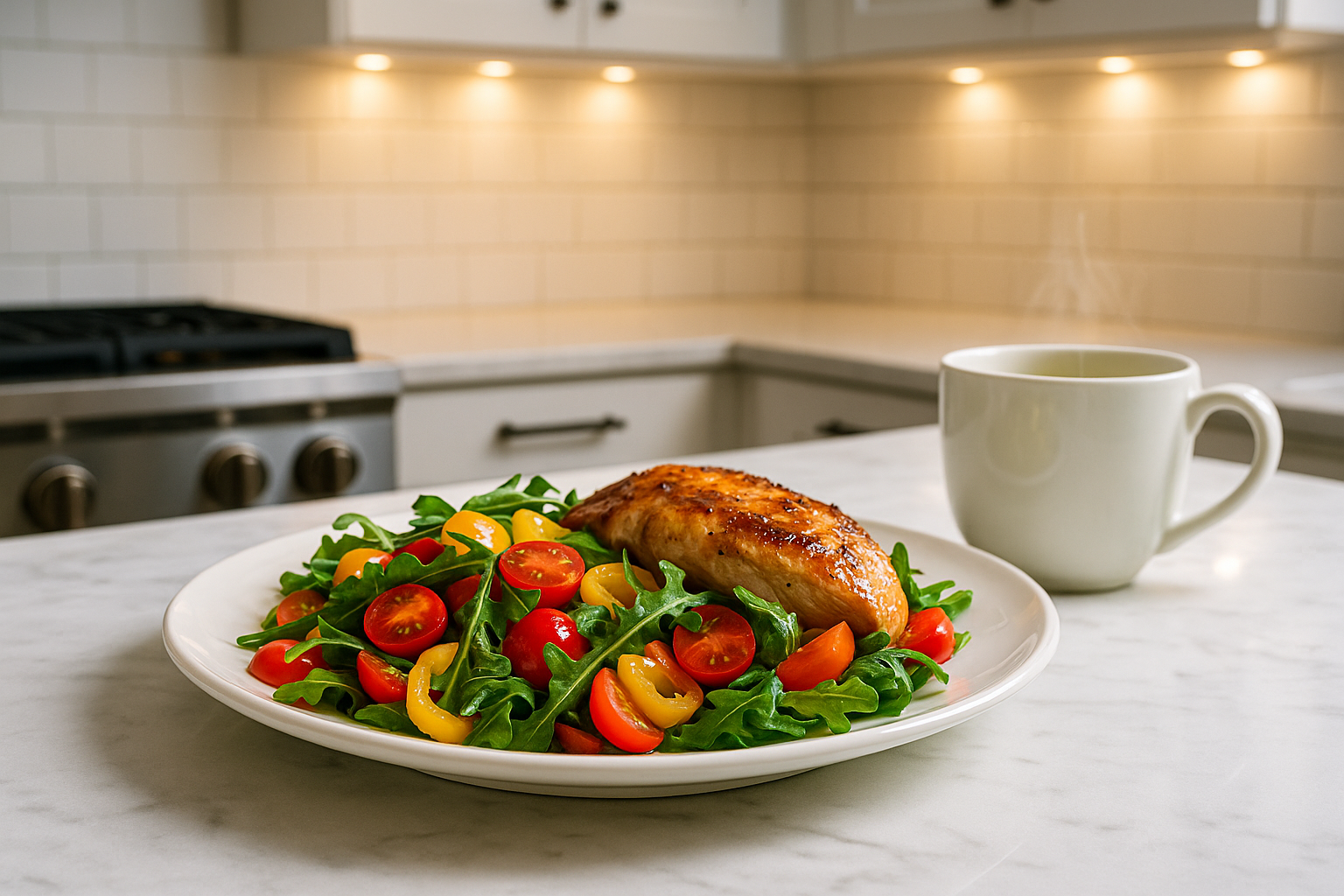
    • Simple arugula salad with olive oil

    Instructions

    1. Preheat oven to 400°F (or pan-sear if preferred).
    2. Place salmon on a lined baking sheet.
    3. Drizzle with olive oil, citrus juice, zest, garlic, salt, and pepper.
    4. Bake 12–15 minutes until flaky.
    5. Finish with fresh herbs before serving.
  • Glow Through the Transition: The Green MED Diet for Menopause

    Glow Through the Transition: The Green MED Diet for Menopause

    What Is the Green MED Diet (and how is it different)?


    • Classic Med Diet: Veggies, fruits, legumes, whole grains, nuts, seeds, fish, olive oil; less red/processed meat and sweets.
    • Green MED twist: More plants and polyphenols (leafy greens, herbs, green tea/matcha, pulses, berries), less meat overall, EVOO as the main fat.

    Why Green MED Makes Sense in Perimenopause & Menopause

    • Metabolic support: High-fiber plants, legumes, and whole grains help steady appetite and blood sugar (hello, fewer “I’m hungry again” spirals).
    • Cardio-vascular win: EVOO, nuts, seeds, and fish support blood pressure, triglycerides, HDL/LDL balance—big deals as estrogen declines.
    • Brain + mood: Polyphenols and omega-3s support the gut–brain axis and calm neuro-inflammation. Many women report better focus and more stable mood.
    • Hot-flash friendly: A plant-heavy pattern is linked to fewer vasomotor triggers for some people (not everyone, but enough to try it).
    • Bone & muscle: Protein from fish/legumes plus leafy greens (minerals) helps you protect lean mass and bone with your training.

    What to Eat (and how to make it actually doable)

    Green MED MoveHow to Do ItWhy It Helps
    Half-plate plantsLoad non-starchy veg + leafy greens at lunch & dinnerFiber, micronutrients, fullness without the crash
    Daily legumesChickpeas, lentils, black beans, soy foodsProtein + fiber + gentle phytoestrogens
    EVOO as default fatCook with it, drizzle on bowls/saladsHeart-healthy fats + polyphenols
    Fish 2–3×/weekSalmon, sardines, trout, tuna (mix it up)Omega-3s for brain, mood, inflammation
    Nuts, seeds & berriesSmall daily handful + 1 cup berriesSatiety, minerals, antioxidants
    Green “boosts”Green tea/matcha, herbs, pesto, greens powder if you likeExtra polyphenols without extra effort
    Downshift meat & ultra-processedSwap in beans/tofu; choose minimally processed carbsLess inflammatory load; steadier energy

    3-Day Green MED Starter (Menopause-friendly)

    Day 1

    • Breakfast: Greek or plant yogurt + berries + ground flaxseed + walnuts + drizzle of honey.
    • Lunch: Chickpea–quinoa bowl with spinach, cucumbers, tomatoes, olives, herbs, lemon–EVOO.
    • Snack: Apple + almond butter.
    • Dinner: Salmon, garlicky sautéed greens, and farro; side salad with EVOO.
    • Evening: Mint tea or decaf green tea.

    Day 2

    • Breakfast: Veggie omelet (or tofu scramble) with tomatoes, basil, and feta; whole-grain toast.
    • Lunch: Lentil-olive chopped salad with arugula, roasted peppers, capers.
    • Snack: Handful of pistachios + a clementine.
    • Dinner: Shrimp or white-bean “pesto” pasta (whole-grain) with broccoli florets.

    Day 3

    • Breakfast: Matcha latte + oatmeal with chia, cinnamon, and blueberries.
    • Lunch: Mediterranean tuna (or chickpea) salad in lettuce cups + side of grapes.
    • Snack: Carrots + hummus.
    • Dinner: Sheet-pan veggies (zucchini, onions, tomatoes) with herbed tofu or chicken thighs; drizzle EVOO + lemon.

    Coaching Notes (from the “consistency over perfection” department)

    • Start with anchors: 1) half-plate plants, 2) EVOO, 3) a daily legume. Nail those before you optimize anything else.
    • Protein matters: Aim ~20–30 g per meal. Legumes + fish + tofu/tempeh make this easy.
    • Watch liquid sugar & ultra-processed snacks: stealthy energy crashes live here.
    • Hot flashes? Keep a food/symptom log for 10–14 days; some people notice triggers (alcohol, very spicy food, late-night heavy meals).
    • Training stack: Pair Green MED with 2–3 days strength + daily walking; it’s the body-composition multiplier.

    Common Questions

    Do I have to be perfect? Absolutely not. You’re looking for a pattern—80/20 wins.

    Can I do this if I’m insulin resistant? Yes. Emphasize legumes, non-starchy veg, protein at each meal; keep portions of starches modest and mostly whole-grain.

    What about dairy and coffee? Both can fit. Choose fermented dairy (yogurt/kefir) if you tolerate it; keep coffee earlier in the day if sleep is finicky.


    Okay, But What Do I Eat?

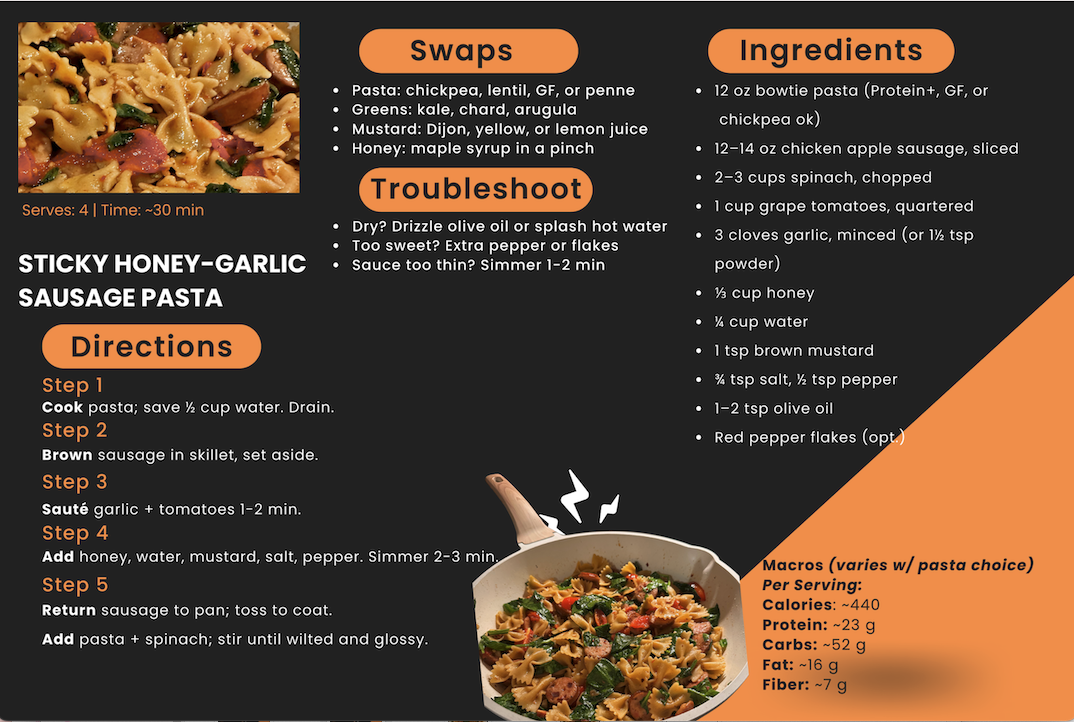
    Recipe card showing Sticky Honey-Garlic Sausage Pasta with bowtie pasta, chicken sausage, spinach, tomatoes, and honey-garlic sauce, plus ingredient list and step-by-step directions.
    A quick Green-MED–inspired pasta bowl made with chicken sausage, spinach, tomatoes, and a glossy honey-garlic sauce. Perfect for a cozy midweek dinner.

    Here’s how to make small changes starting this week:

    • Add one extra serving of veggies to lunch or dinner
    • Switch your usual cooking oil to extra-virgin olive oil
    • Go for a 10-minute walk after your biggest meal

    Simple, doable, and honestly you’ll notice a difference faster than you’d think.

    Written by Lucy Rodriguez, MS Psych, PhD (c) Kinesiology, Sports Nutrition.

  • Why Menopause Belongs on Every Workplace Radar (And How to Do It Right)

    New menopause workplace tools from the Health Action Alliance and AARP give employers actionable strategies to support midlife women. Here’s why it matters and how to use them.

    Menopause at Work: It’s Time to Stop Ignoring It

    Menopause isn’t just a “personal” issue. It’s a workplace one. With more than 50 million U.S workers in midlife, it’s wild that only 1 in 5 companies offer menopause-specific support. That gap leaves millions dealing with hot flashes, sleep struggles, brain fog, or mood swings while trying to stay productive at work. Often in silence.

    The Health Action Alliance (HAA) and AARP just dropped a brand new Menopause Workplace Toolkit and it’s exactly the resource companies have been missing.

    Read the full article at Health Action Alliance

    What’s Inside the Toolkit

    These aren’t pretty pink handouts. They’re practical, evidence-based tools that make it easier to actually implement support at work:

    Menopause PulseCheck

    A quick assessment of company culture, policies, and benefits.

    Empowering Conversations About Menopause

    Guidance for respectful, stigma-free dialogue at work.

    Naming and Shaping your Menopause Strategy

    Helps adapt existing benefits and policies to include menopause.

    Improving Health Care Benefits for Menopause

    Questions & prompts to expand coverage.

    There’s also an Employer Roundtable on October 6, 2025, where HR leaders will take a more strategic look into these resources.


    What Does This Mean for Us?

    MG H is focused on the real intersection of science, hormones, and quality of life. Here’s how these new tools shift things:

    • Normalize the conversation: The more it’s mentioned, the less it’s taboo
    • Tie menopause into overall wellness: Metabolism, sleep and mental health
    • Empower women to self-advocate: The PulseCheck can be a conversation starter
    • Track impact: When companies use these resources and measure results, there is better retention, less absenteeism, and more engaged teams.

    Small Steps to Take Right Now

    • Share the Menopause PulseCheck with your workplace
    • Suggest a short “menopause awareness session” using the Empowering Conversations tip sheet
    • Review health benefits through a menopause lens: are they inclusive?
    • Add menopause to your organization’s DE&I or health equity agenda
    • Ask employees what support would actually help them (flexible breaks, cooler spaces, healthcare coverage, etc.)

    Final Thoughts

    Supporting menopause at work isn’t about charity. It’s about equity, productivity, and respect. The new HAA + AARP toolkit makes it easier than ever to start.

    If you’re a woman in midlife and navigating these shifts, or someone in HR/leadership who wants to be proactive, this is your invitation to lead change.

    Download the menopause workplace tools here.

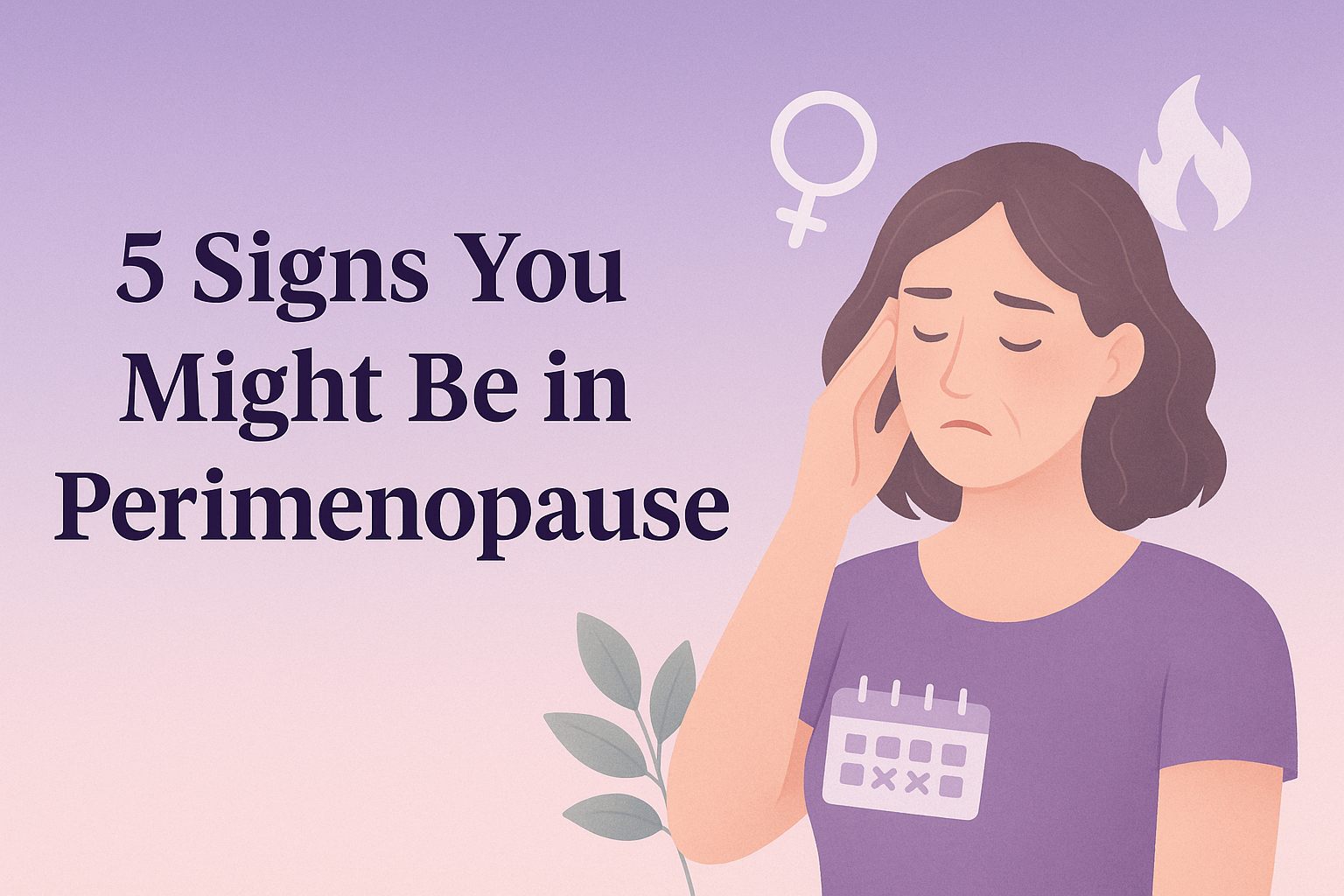
  • 5 Signs You May Be in Perimenopause   …And what to do next.

    5 Signs You May Be in Perimenopause …And what to do next.

    5 Signs You May Be in Perimenopause …And what to do next.

    If you’ve been wondering why your body feels a little “different” lately, you’re not alone. For many women, perimenopause sneaks in quietly during the late 30’s or 40’s, bringing along changes that don’t always make sense at first. It’s not menopause yet, but it’s the transition leading up to it, and it can last several years.

    Here are five common signs you might be in perimenopause, plus what you can do about each one:

    1. YOUR PERIODS BECOME UNPREDICTABLE

    You can no longer trust your own body. One month your cycle is shorter, the next it’s longer — or your flow suddenly feels heavier or lighter than usual. Hormonal fluctuations (especially in estrogen and progesterone) are often the culprits.

    What to do next: Start tracking your cycle. A simple planner or app can help you notice patterns. If bleeding is very heavy or disrupting your daily life, it’s important to check in with your healthcare provider.

    2. SLEEP STARTS PLAYING HARD TO GET

    You’re tired but can’t fall asleep… or you wake up at 3 AM and can’t get back to sleep. Changing hormone levels, especially lower progesterone, can mess with your natural sleep rhythms.

    What to do next: Create a bedtime routine that supports rest — think low lighting, cooler room temperature, and shutting down screens (if you can help it). Adding magnesium-rich foods (think spinach or pumpkin seeds) may also help promote relaxation.

    3. MOOD SWINGS FEEL MORE INTENSE

    One day you’re fine, the next you feel irritable or down for no real reason. Hormone shifts can affect neurotransmitters like serotonin, which play a big role in mood.

    What to do next: Daily movement (even a short walk), balancing foods and mindfulness practices can help stabilize mood. If symptoms are overwhelming or persistent, reaching out for professional support is a sign of strength, not weakness.

    4. YOUR ENERGY IS NOT WHAT IT USED TO BE

    That mid-afternoon crash feels more dramatic than before, or you notice fatigue creeping in even after a decent night’s sleep.

    What to do next: Prioritize balanced meals with protein, fiber, and healthy fats to keep energy steady. Gentle exercise like walking, yoga, or strength training can also fight fatigue and improve stamina.

    5. (The big one!) HOT FLASHES AND NIGHT SWEATS MAKE AN APPEARANCE

    They may start out subtle — a warm flush here, a sweaty night there — but they’re often a classic sign of perimenopause.

    What to do next: Dress in layers, keep a fan by the bed, and experiment with cooling foods like cucumbers or citrus. Stress management is also key, since stress may trigger or worsen hot flashes. It’s always summer during the later stages of perimenopause!


    Perimenopause can feel overwhelming at first, but it’s not something you have to just “push through”. By paying attention to your body, supporting it with nutrition and movement, and making small lifestyle shifts, you can navigate this transition with increased confidence.

    If you’re ready to take the next step, check out the Hormone Harmony Planner: it’s designed to help women 40+ track cycles, moods, sleep, and self-care rituals all in one place.