There was a stretch of time when I was absolutely convinced something was wrong with our salsa.
Not just any salsa, though.
Cambray salsa from Santiago, Nuevo León, México. The real-deal kind. The kind you respect. Two or three drops per taco. Four if you’re feeling brave and adventurous. (For the curious, I’ve linked the salsa that sparked this whole realization here.)
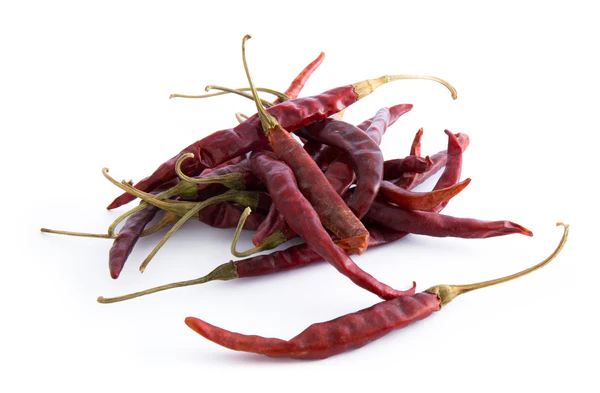
Here’s the context: chile cambray (often lumped in with chile de árbol) usually lands somewhere around 30,000–65,000 Scoville Heat Units, sometimes higher depending on the batch. This is not “U.S. grocery store extra hot.” This is don’t get cute salsa. Even seasoned capsaicin lovers know to love it from a distance.
So when it suddenly tasted like… bland tomato sauce?
No burn. No warning. Nothing.
I genuinely thought the batch was off.
The very dumb experiment I did anyway
To be sure, I tested it. I let it touch the sides of my mouth. Near my lips.
And that is when the plot thickened.
Because here’s the part I need to correct (coffee had not yet entered the chat):
My tongue was fine. My throat was fine. The inside of my mouth? Totally unbothered.
But my lips? Swollen and on fire.
The corners of my mouth? Burning for hours.
Nose: running a 5K marathon
And my stomach immediately went on Amazon, bought a megaphone, and started screaming for help at full volume. …Full-on burning for days.
That’s when it became very clear:
Nothing was wrong with the salsa.
Something was very off with my heat perception. And I almost tripped, putting on my shoes and running to the comments. Ok, so, looking for peer-reviewed studies for possible correlations, but you get the idea!
Capsaicin receptors don’t all behave the same
Capsaicin binds to TRPV1 receptors, which are scattered throughout the body—but not evenly, and not identically regulated.
The lips and corners of the mouth are packed with sensory nerve endings and are especially sensitive to changes in:
- Estrogen
- Cortisol
- Nervous system reactivity
So while my mouth and tongue barely registered heat, the more externally sensitive areas absolutely did. And my GI tract? Oh, it received the message loud and clear.

This uneven response is actually a huge clue.
Estrogen, sensation, and selective muting
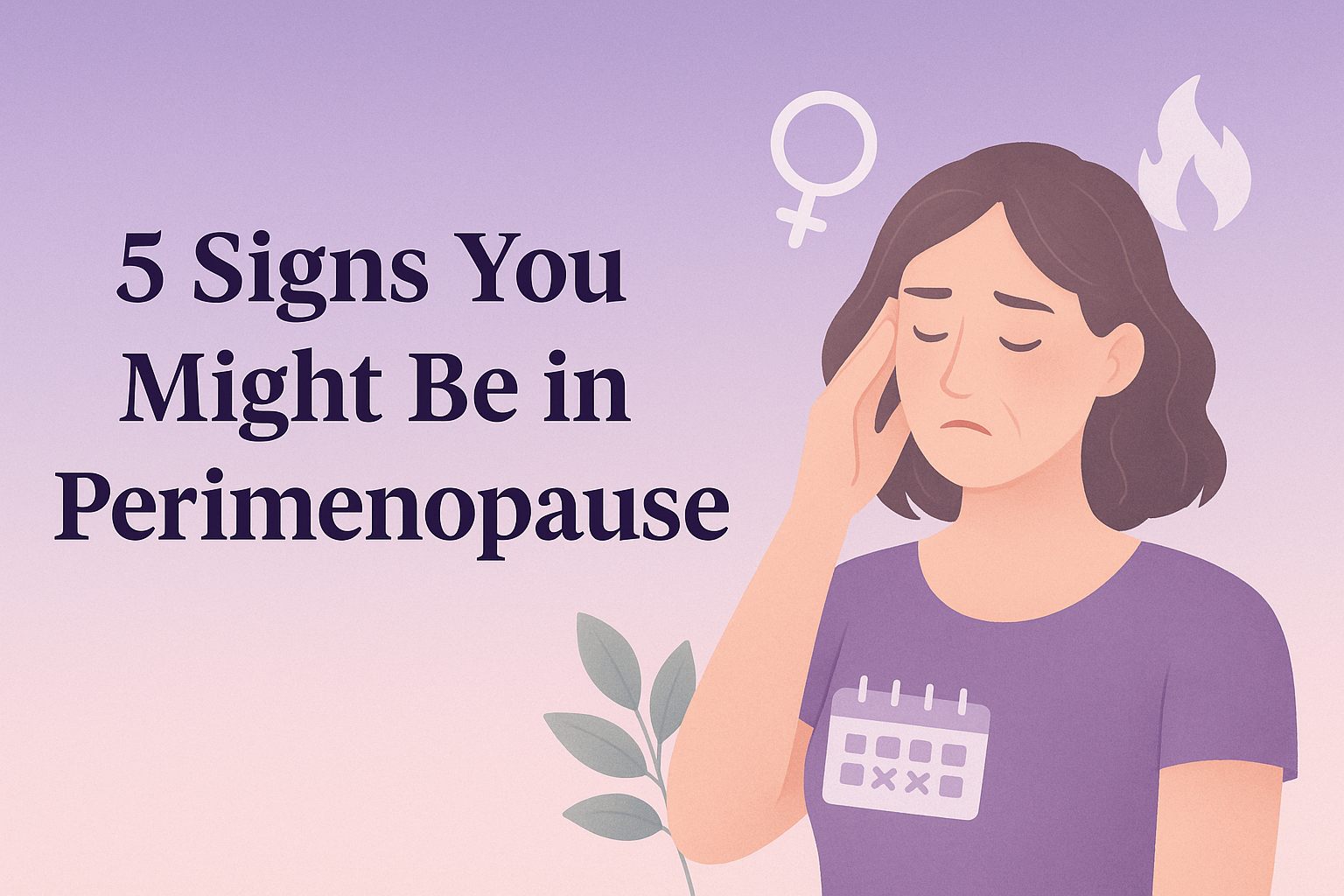
Estrogen plays a role in how sensory input is processed and modulated. During perimenopause, or with changes in HRT, those signals can get… scrambled.
That can show up as:
- Blunted sensation in some areas (tongue, throat)
- Heightened or prolonged sensitivity in others (lips, skin, gut)
- Delayed “feedback” that arrives after you’ve already made regrettable decisions
Which explains how I managed to feel nothing… until I felt everything.
Cortisol adds gasoline
Now layer cortisol on top. Elevated or dysregulated cortisol can:
- Reduce accurate threat detection in the moment
- Increase inflammatory responses afterward
- Make reactions feel delayed, exaggerated, or weirdly localized
Capsaicin itself triggers a cortisol and adrenaline response. If your baseline stress load is already high, your body’s ability to interpret heat correctly can misfire.
Hence:
- Calm mouth
- Angry lips
- Sprinting nose
- Furious stomach with a megaphone
Why this wasn’t a one-off and here’s what happened the next time!
This didn’t happen just once. The second time it happened, since I had used the same salsa, and somehow once again had zero reaction, I decided to pack on the fresh-from-the-garden Serranos to see if that would help elevate the spice levels.
Again, I could’ve easily won a YouTube challenge. But the usual suspects had a LOT to say: the nose, lips, and stomach stormed off the set.
Here’s when I discovered it comes in waves and has lasted months at this point. Some days I can handle spice as per usual. Other days—or entire weeks—it’s as if my receptors are on airplane mode.
That makes sense when you remember:
- Hormones fluctuate, not decline uniformly
- Cortisol follows rhythms but also reacts to sleep, stress, under-fueling, and inflammation
- Sensory tolerance is context-dependent
So spice tolerance becomes information, not a fixed trait.
At this point, I’m basically conducting a rolling field study—low sample size, zero funding, excellent qualitative data. And while I still love spice, I’ve learned that paying attention beats pushing through. My taste buds may be inconsistent, but they’re surprisingly honest.
References & Further Reading
- The capsaicin receptor: A heat‑activated ion channel in the pain pathway
Caterina, M. J., Schumacher, M. A., Tominaga, M., Rosen, T. A., Levine, J. D., & Julius, D. (1997). Nature, 389(6653), 816–824. - Integrating TRPV1 receptor function with capsaicin psychophysics
Smutzer, G., & Devassy, R. K. (2016). The Scientific World Journal, 2016, Article ID 1512457. - Localization of TRP channels in healthy oral mucosa
Moayedi, Y., et al. (2022). eNeuro, 9(6). - Estradiol inhibits TRPV1 activation by capsaicin
Chaban, V. V., Mayer, E. A., Ennes, H. S., & Micevych, P. E. (2008). Journal of Neuroscience Research. - 17β-Estradiol activates estrogen receptor β-signalling and inhibits TRPV1 activation by capsaicin in sensory neurons
Xu, S., Chaban, V. V., Mayer, E. A., Ennes, H. S., & Micevych, P. E. (2008). Journal of Neuroscience Research.